
WEALLEANS
A Groundbreaking New Build for Matamata Groundspreaders
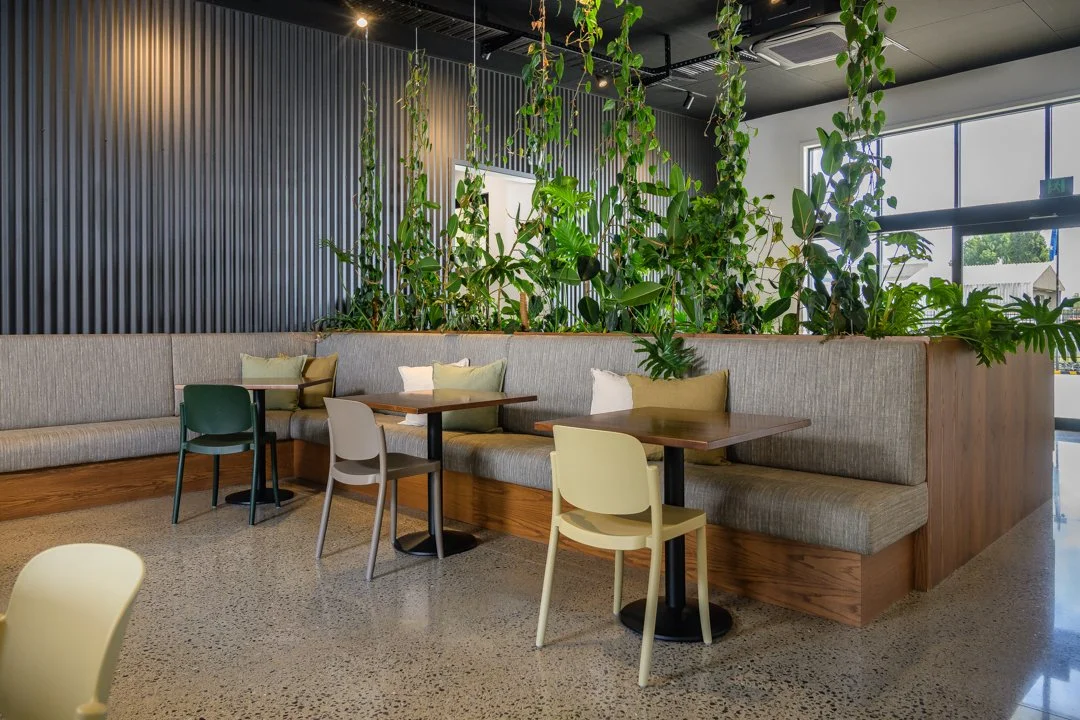
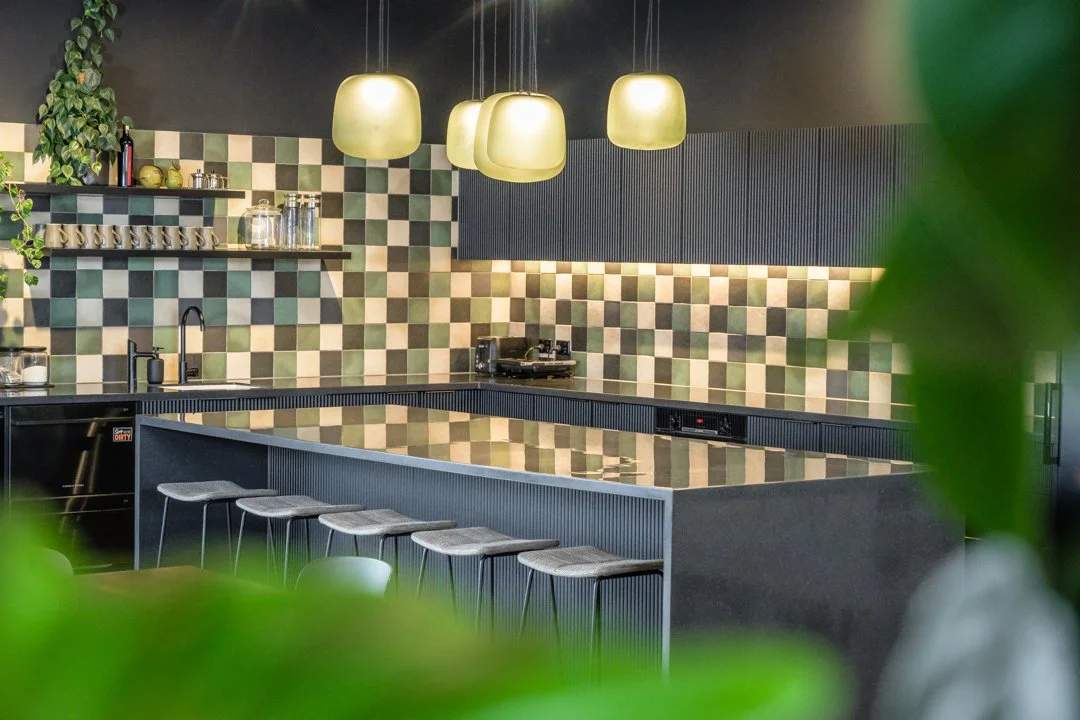
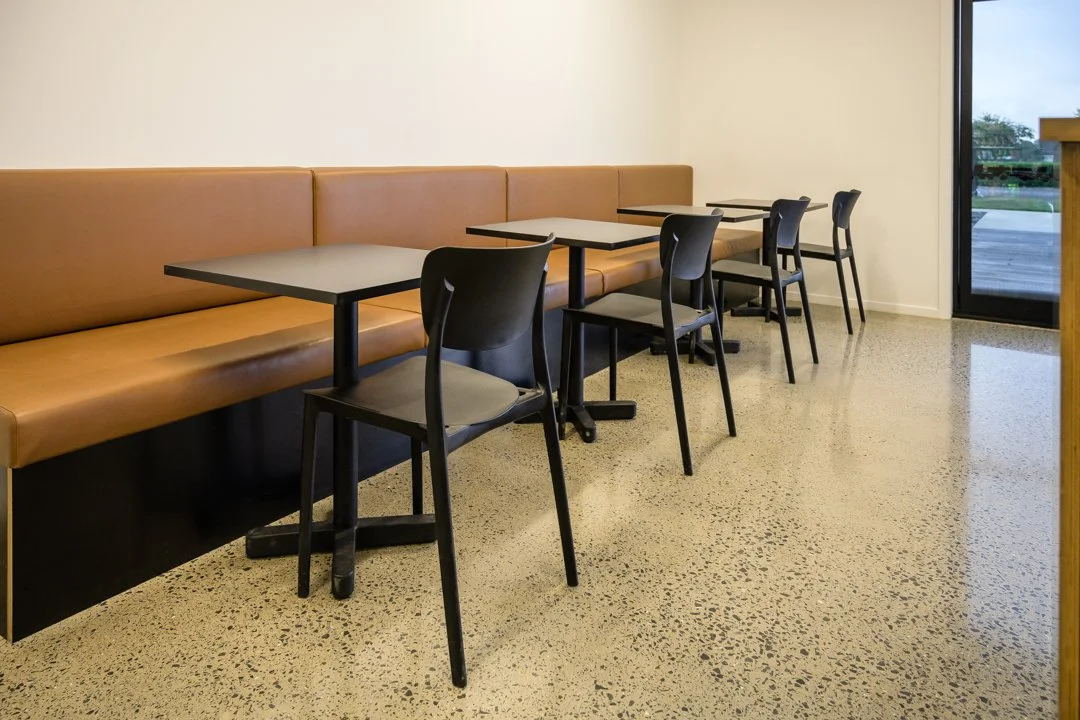
The new team + visitor cafe with main entry beyond
INDUSTRY: Agriculture Supply
LOCATION: SH2, Hinuera, New Zealand
TENANCY SIZE: 762 sqm
TEAM SIZE: 20+
Wealleans is one of those proper legacy businesses… started by the grandfather, passed down to his son, and now run by the grandson, Shane. For years, they’d operated out of an old converted house on the main highway just outside Matamata… and it worked, until it didn’t.
As the business grew (more trucks, more moving parts, more coordination), Shane had already kicked off a staged new-build with a Waikato-based industrial builder. Stage 1 (the big servicing workshop for the fleet) was complete, and Stage 2 (the office + staff facilities) was being designed to be added alongside it.
How we got involved
They’d recently built a stunning home and had worked with an interior designer on finishes and cabinetry detailing, so they went back to her and asked: “Is office design something you do… or can you recommend someone?” So she pointed them our way.
When we first met, the ask was pretty straightforward on paper:
select finishes
help with the furniture package
review some very basic cabinetry plans (done by a kitchen manufacturer)
sense-check the overall direction
But when I saw the floor plan, it became clear the real issue wasn’t the finishes.
What wasn’t working
The initial layout had been put together by architectural designers who specialise in industrial warehouse buildings, which is fine, but office planning is a different beast entirely.
The most glaring red flag: the admin team had been given the worst real estate in the whole building.
They’d designed an internal reception zone, with a “reception window” into an enclosed admin room behind it - and that admin area (three staff, planned for four) had no natural daylight at all. Just desks around the walls, filing/storage, and an entirely internal outlook.
But they didn’t have a dedicated receptionist, and they didn’t get many walk-in visitors. When suppliers or reps came in, it was typically booked and expected - and most client interaction happened out on the road anyway.
So they’d devoted prime central space to a reception model that didn’t match how they actually operated… and sacrificed the wellbeing and productivity of the people who were on site, full-time, doing the coordination and dispatch work that keeps the whole business moving, by putting them in an internal room, with no access to natural light.
Strategy before design (even mid-project)
The plumbing and some key walls were already pretty locked in, but there was still enough flexibility to make the layout work harder.
So we stepped back and asked the questions that should’ve been asked earlier:
Who’s here all day, every day?
Who needs focus, flow, and minimal interruption?
Where does daylight land, and who benefits from it most?
Which spaces are used constantly vs occasionally?
Once we mapped that, the solution became obvious.
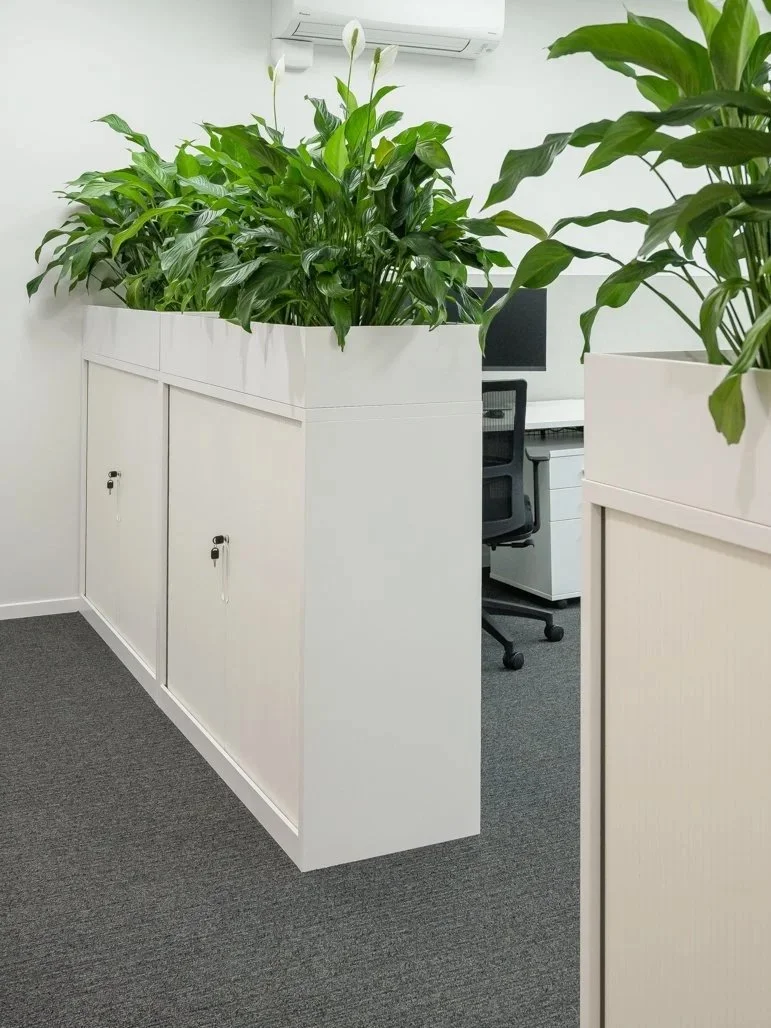
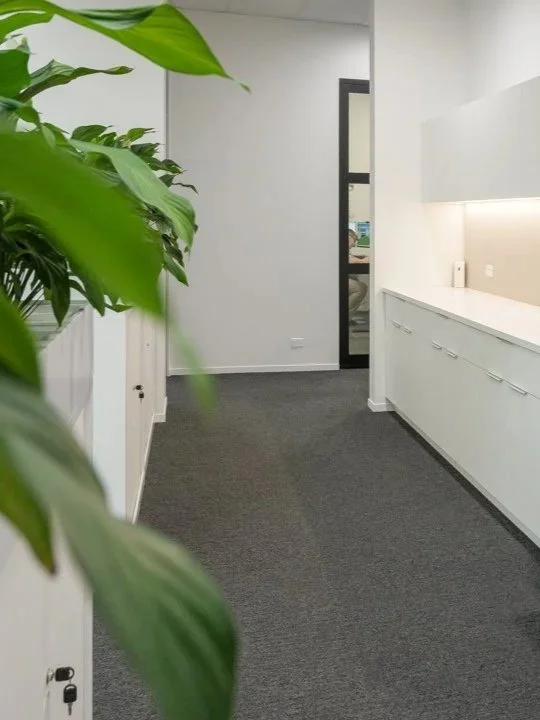
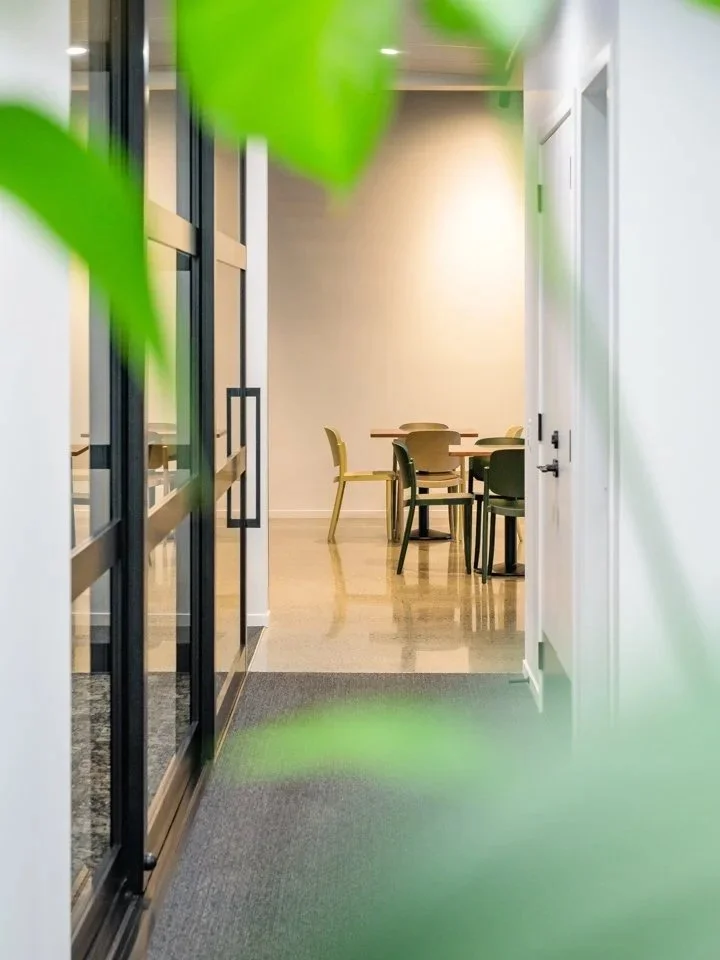
The turning point - a simple swap that changed everything
We re-jigged the plan so the admin team could move out of the dark internal zone and into a space with good natural light.
Instead of putting the boardroom in the “best” spot (as per the traditional corporate mindset), we flipped the logic:
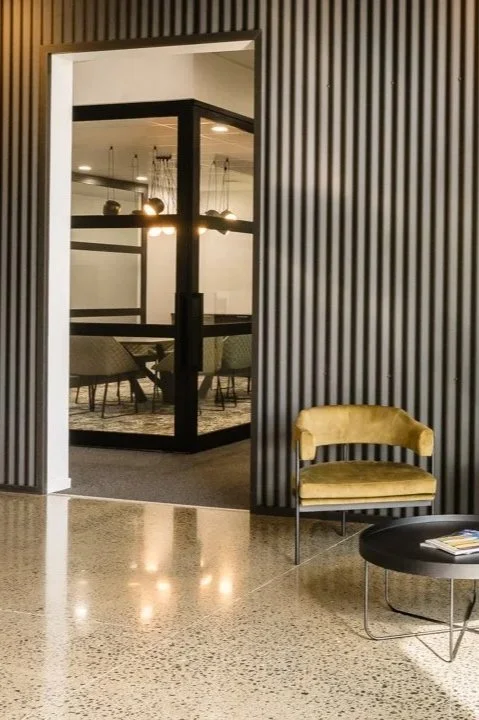
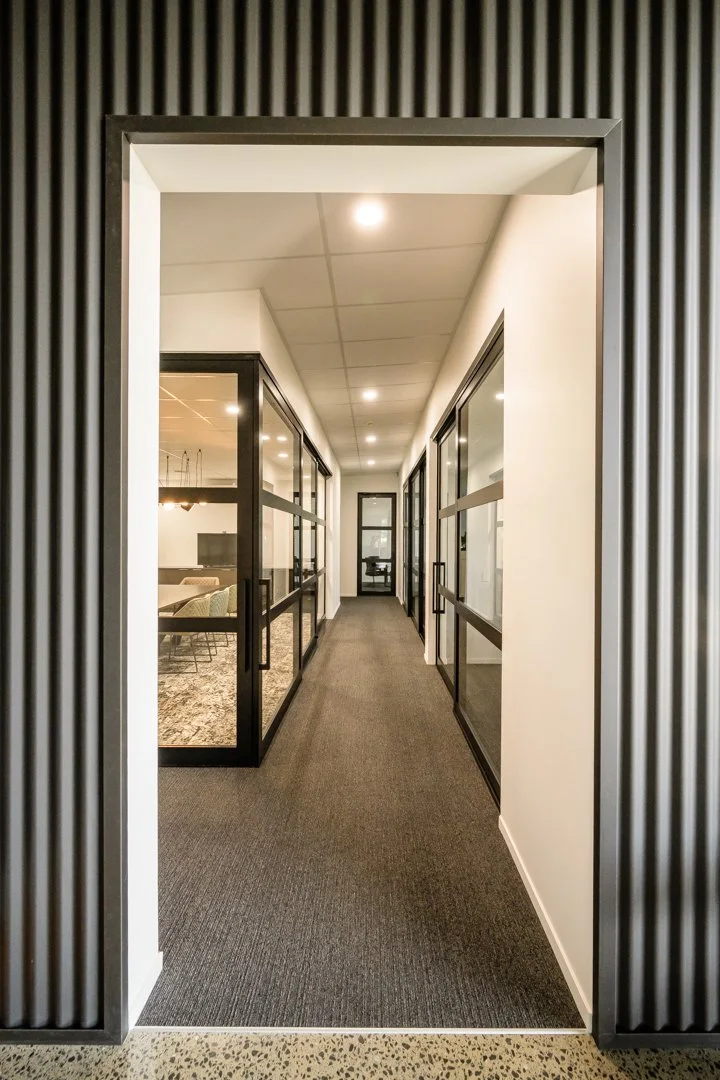
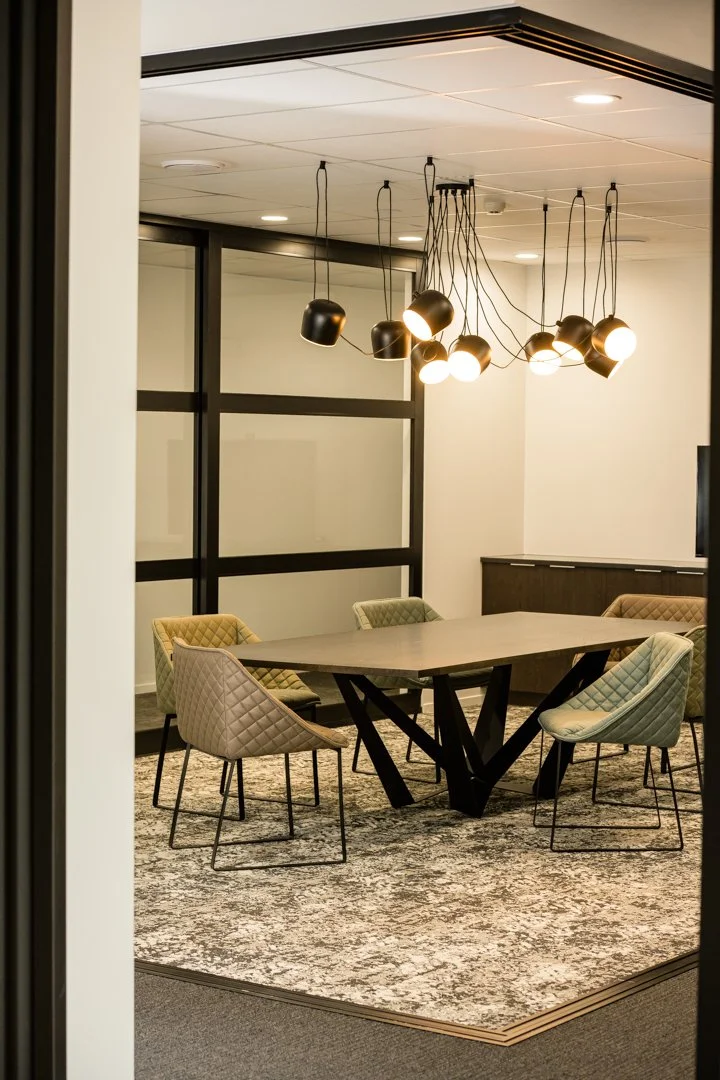
The boardroom moved to the central zone - designed with glazing on three sides so it still borrowed light from surrounding spaces and felt open, not boxed in.
The admin team moved to the rear perimeter - where there was high-level, south-facing natural light (which is honestly ideal for office work: consistent, soft light, no harsh glare).
Admin were also tucked away from the main entry, so they could actually get their work done without being interrupted every time someone walks in the door.
And that’s a principle I’ll die on: If you’re choosing between giving the best space to a room used once a week, or a team who’s there 40 hours a week… it shouldn’t be a hard decision.
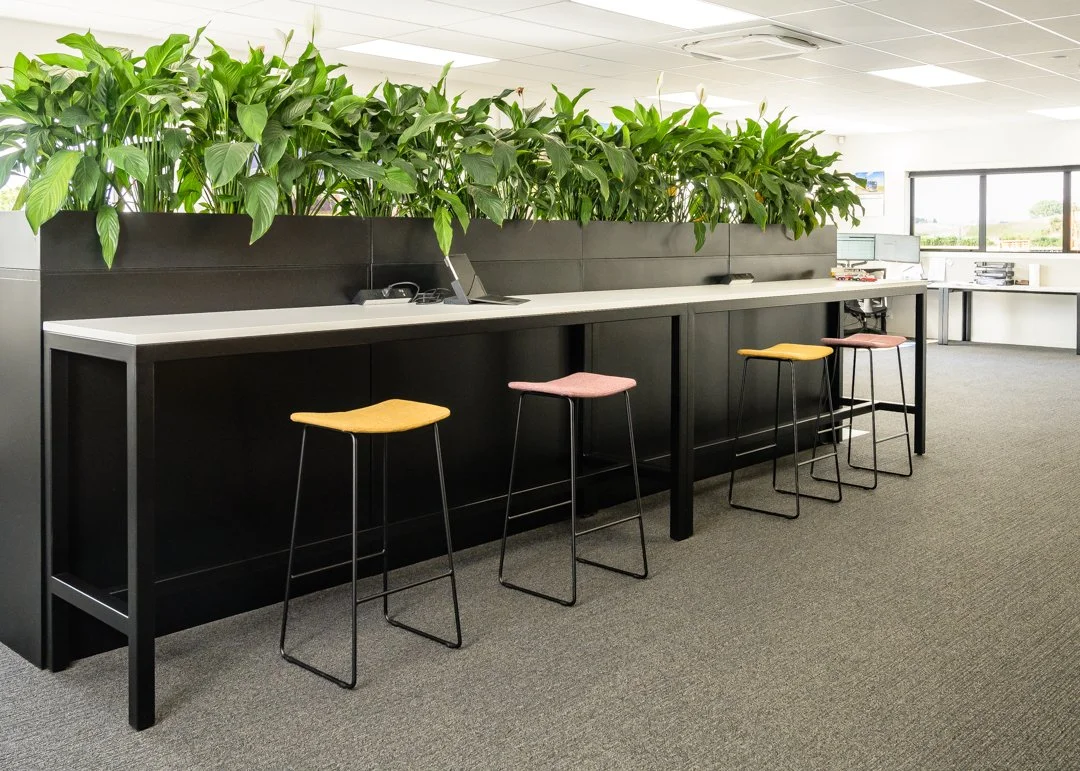
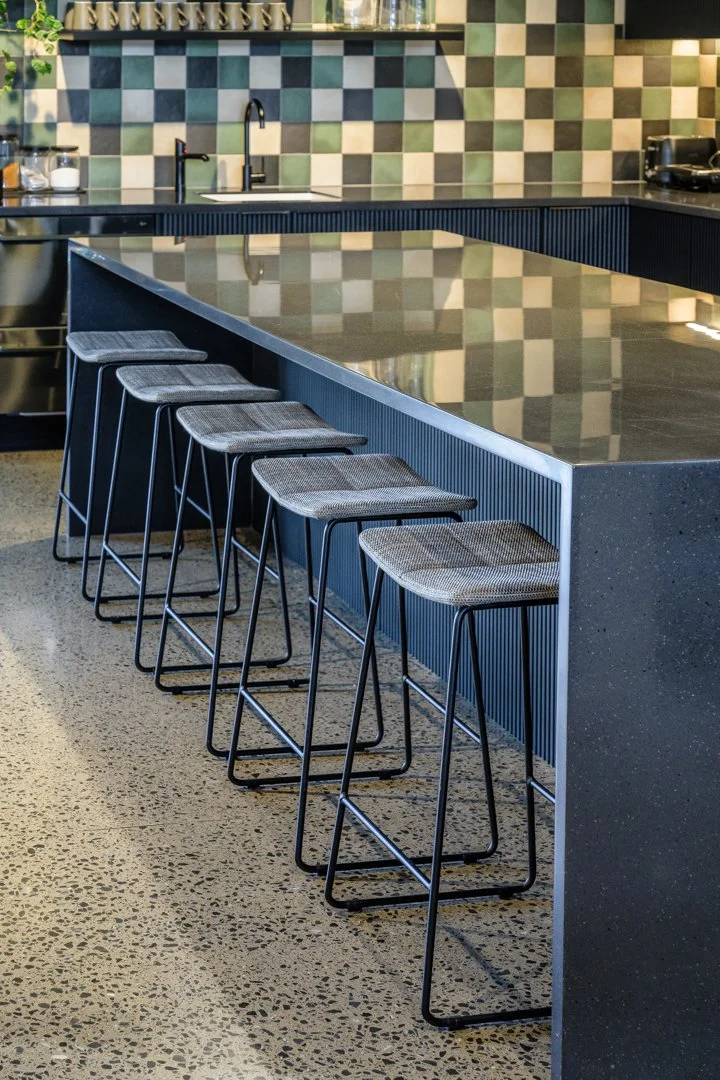
The hotdesk bar in the dispatch team area
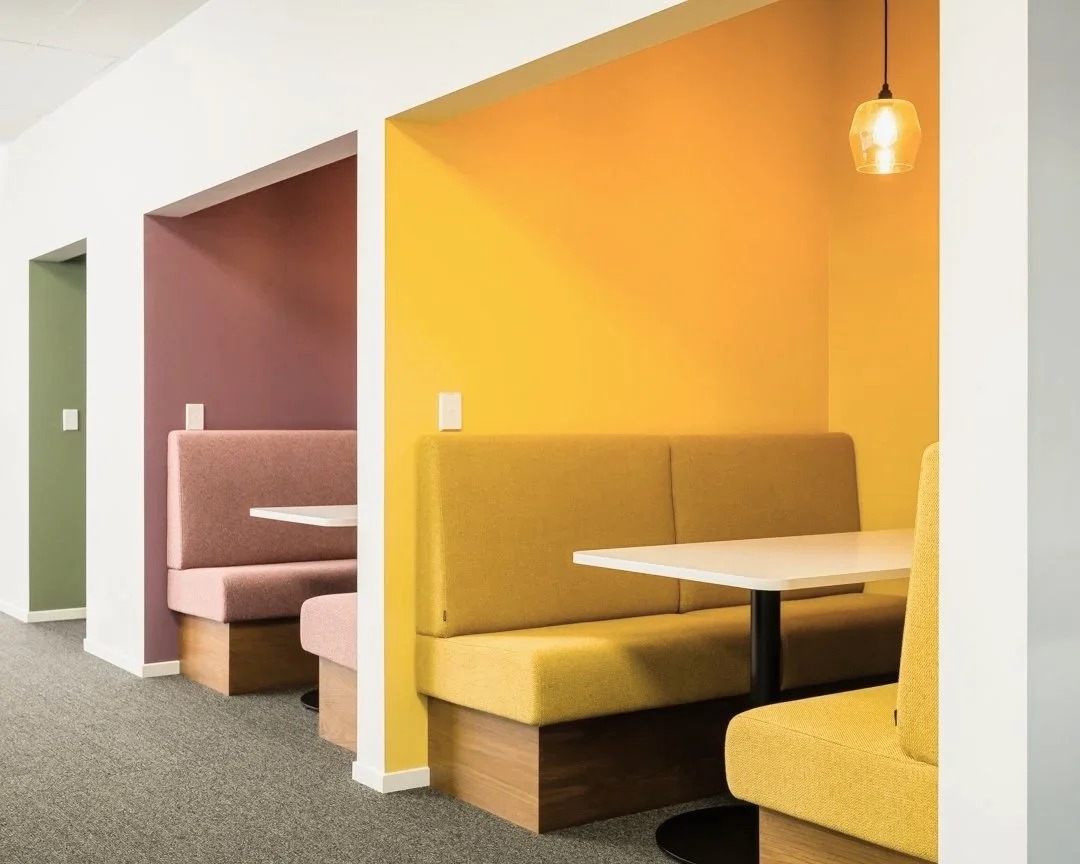
Quiet Booths for both the team + visitors to use
Bringing it to life - finishes, furniture, and the “not-so-basic” basics
Once the spatial planning made sense, we could confidently move into the detailing side:
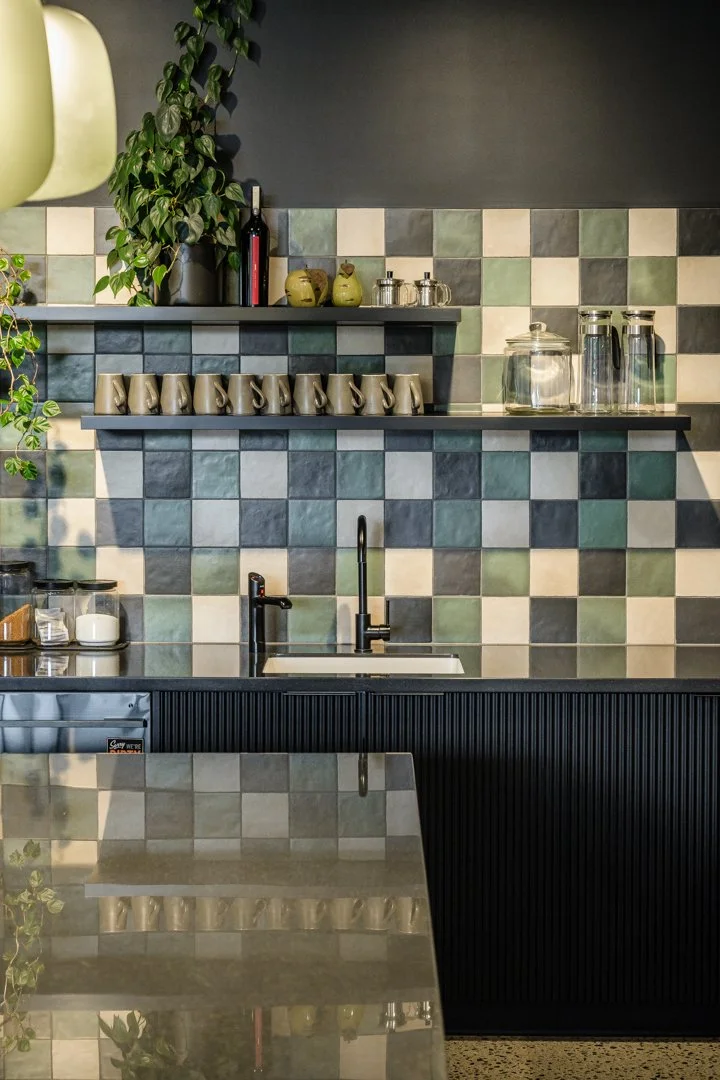
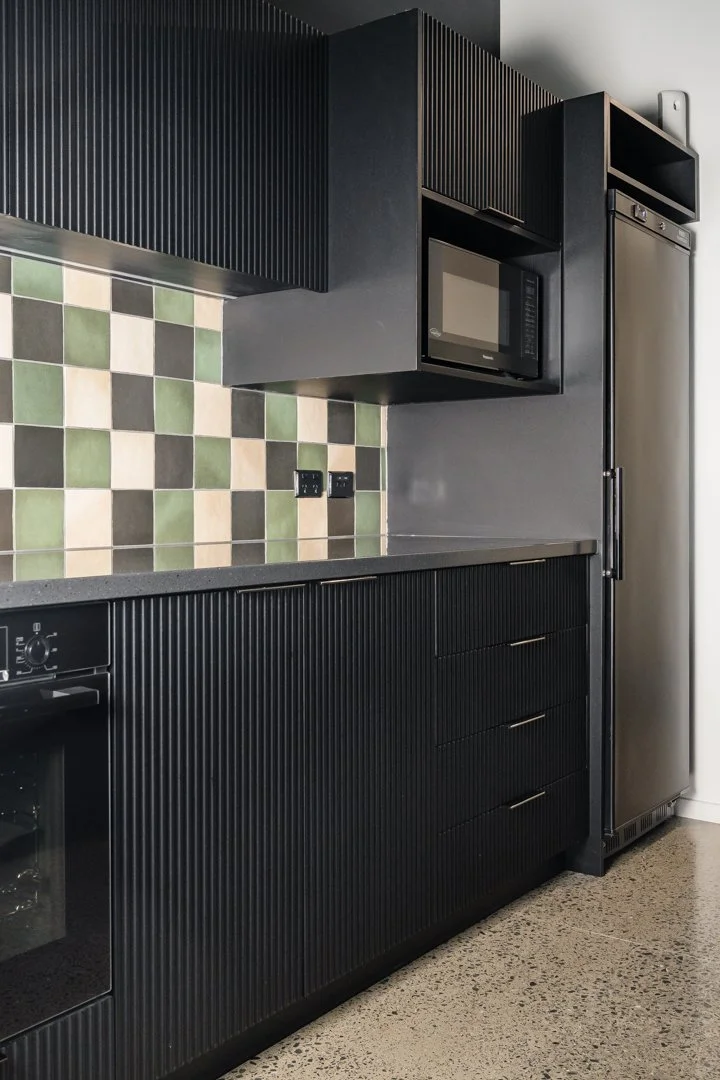
refining the cabinetry layout (so it worked for real office storage + admin needs, not just “kitchen logic”)
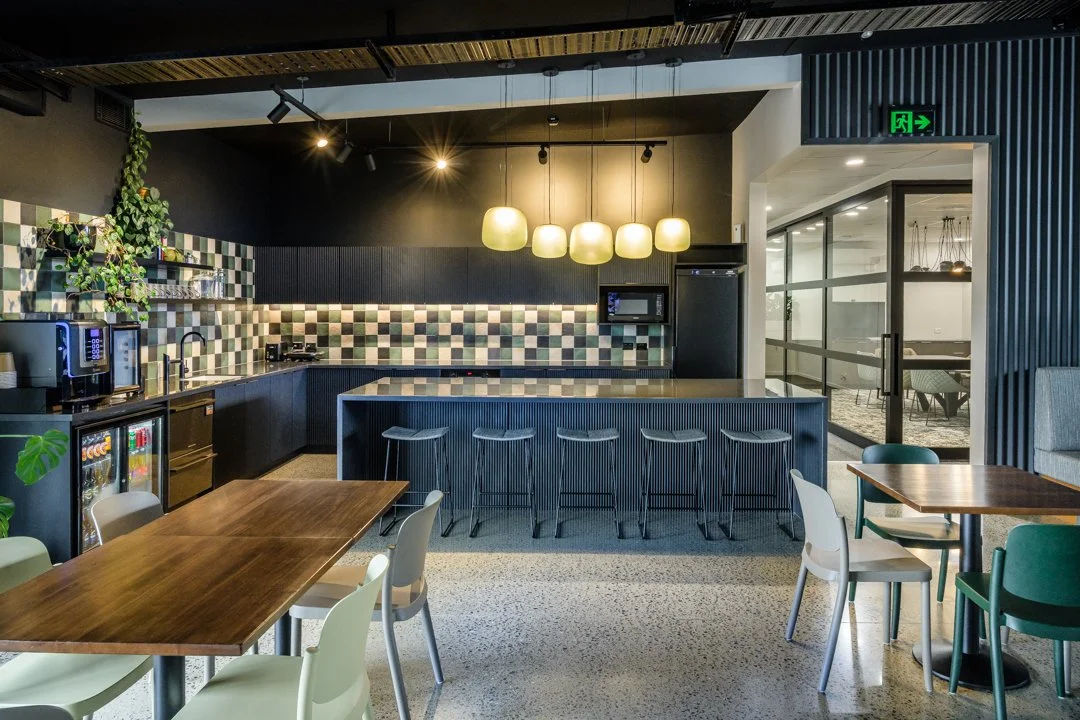
aligning finishes so the space felt intentional - not like a warehouse with desks dropped in
selecting furniture that supported the reality of their work: dispatch/coordination, day-to-day admin, and the occasional meeting
sense-checking functionality across the whole office: durability, clean-ability, acoustics, and the practical stuff that matters in rural/industrial-adjacent businesses
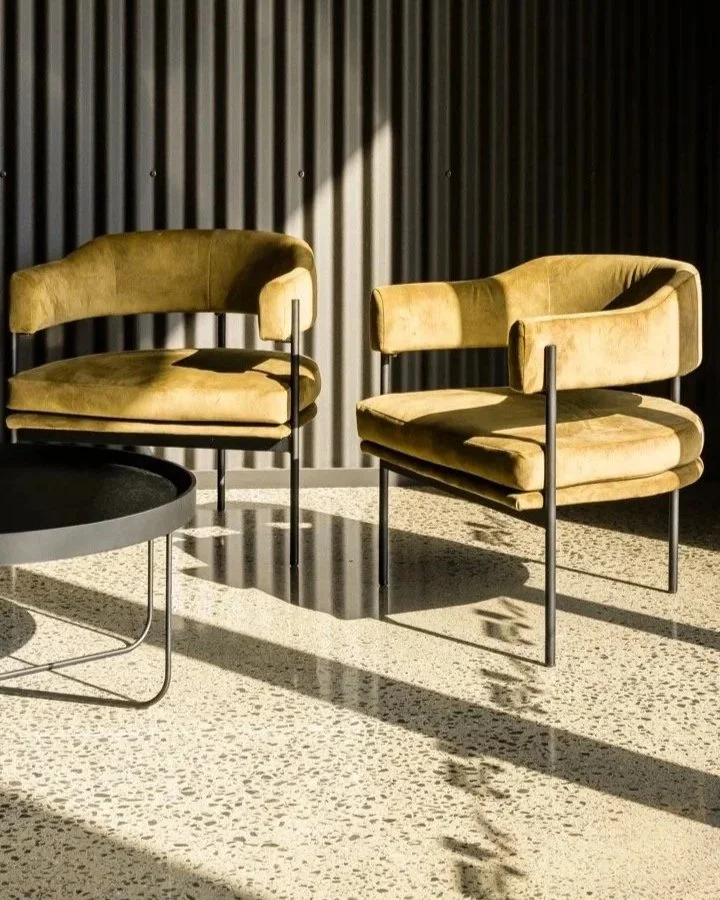
Simon James waiting chairs
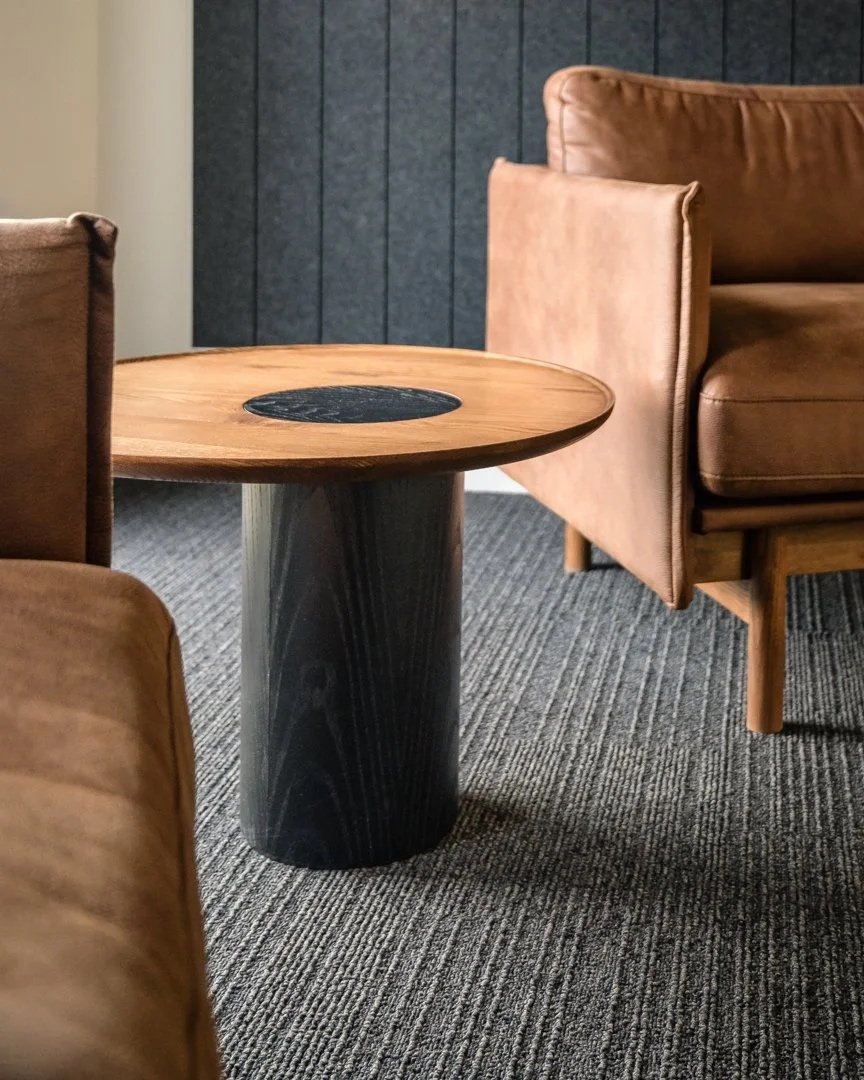
Harrows executive lounge setting
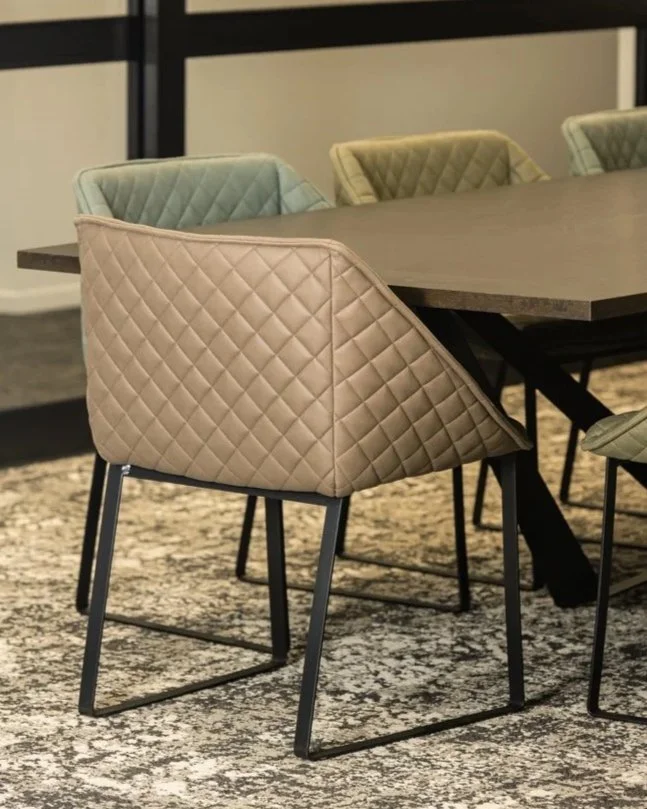
Forma custom boardroom table + chairs
The outcome
The finished result wasn’t about making Wealleans feel “corporate” - it was about creating a workspace that matched the way they actually operate, and reflected the pride and longevity behind the business.
Most importantly:
the admin team got daylight and a genuinely functional base to work from
meetings could happen without hijacking the operational heart of the office
the layout finally felt aligned with how the business actually works, not how someone thinks an office works.
BUBBLE INTERIORS’ SCOPE:
Space Planning, Concept + Developed Design for selected tenancy
Detailing of custom boardroom credenza, copy + staff kitchen cabinetry
Key interior plans + specifications for Base Build Consent
Procurement of full FF&E package
Site Observation
PPROJECT TEAM + SUPPLIERS:
Main Fit-out Contractor: Waikato Construction Management
Base Build Design: Coresteel Buildings
Kitchen + Built-in Cabinetry: Inspace
Lighting: Social Light, Citta
Furniture: Mobel Group, Harrows, Simon James, ISSA Furniture, Forma, Zenith, Europlan, Cintesi
Photography: Jay Drew
Project Completed February 2023
See more Case Studies:
If you'd like to read more about why the briefing process is the most important part of any office project, I've written about it over on the Workspaces That Work Substack.