
RAY WHITE BAYFAIR + TAURANGA
One Territory, Two Offices
How a strategy-first review brought two Ray White offices into alignment.
Industry: Real Estate
Location: Girven Road, Mount Maunganui + Cameron Road, Tauranga
Team size: 50
Tenancy size: 557sqm across 2 sites
It started as a simple move… and became a much bigger question.
When the owners first got in touch, the brief sounded straightforward: relocate the auction room from Bayfair to Tauranga. Tauranga was “the nice office” so felt like the better representation of the brand they'd built. Bayfair, by comparison, had quietly started feeling like the poor cousins.
But moving one room rarely stays simple. Shifting the auction room out of Bayfair would free up space there - while creating a reshuffle in Tauranga that raised a bigger question: was that space actually being used the way everyone assumed?
Because Bayfair had its own quiet problem too. Dead space at the back of the tenancy, sitting as storage, while other parts of the office had started to feel stretched.
Rather than treating the two branches a two separate projects,, we took a step back and looked at the business as one connected ecosystem, operating across two sites.
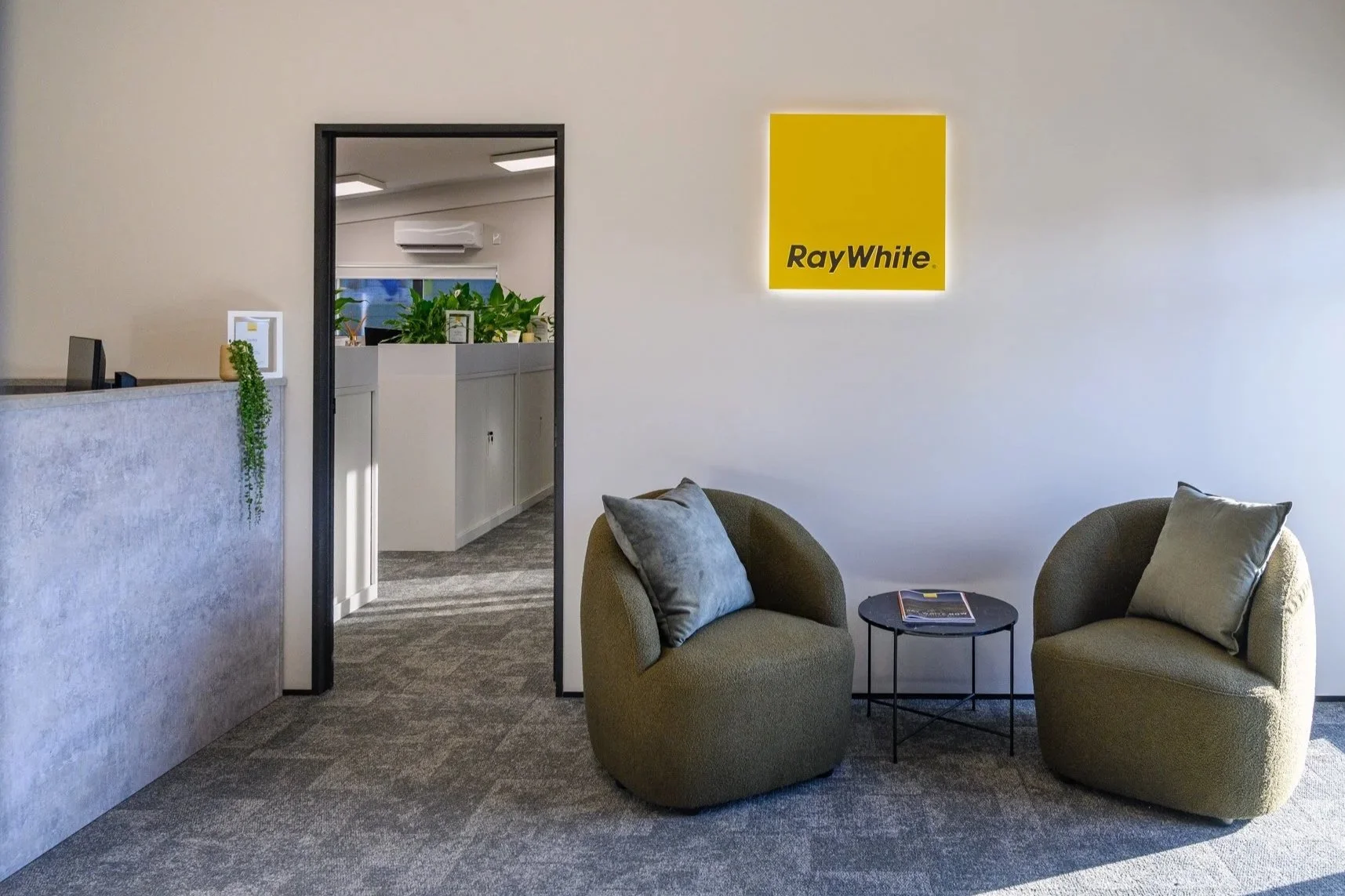
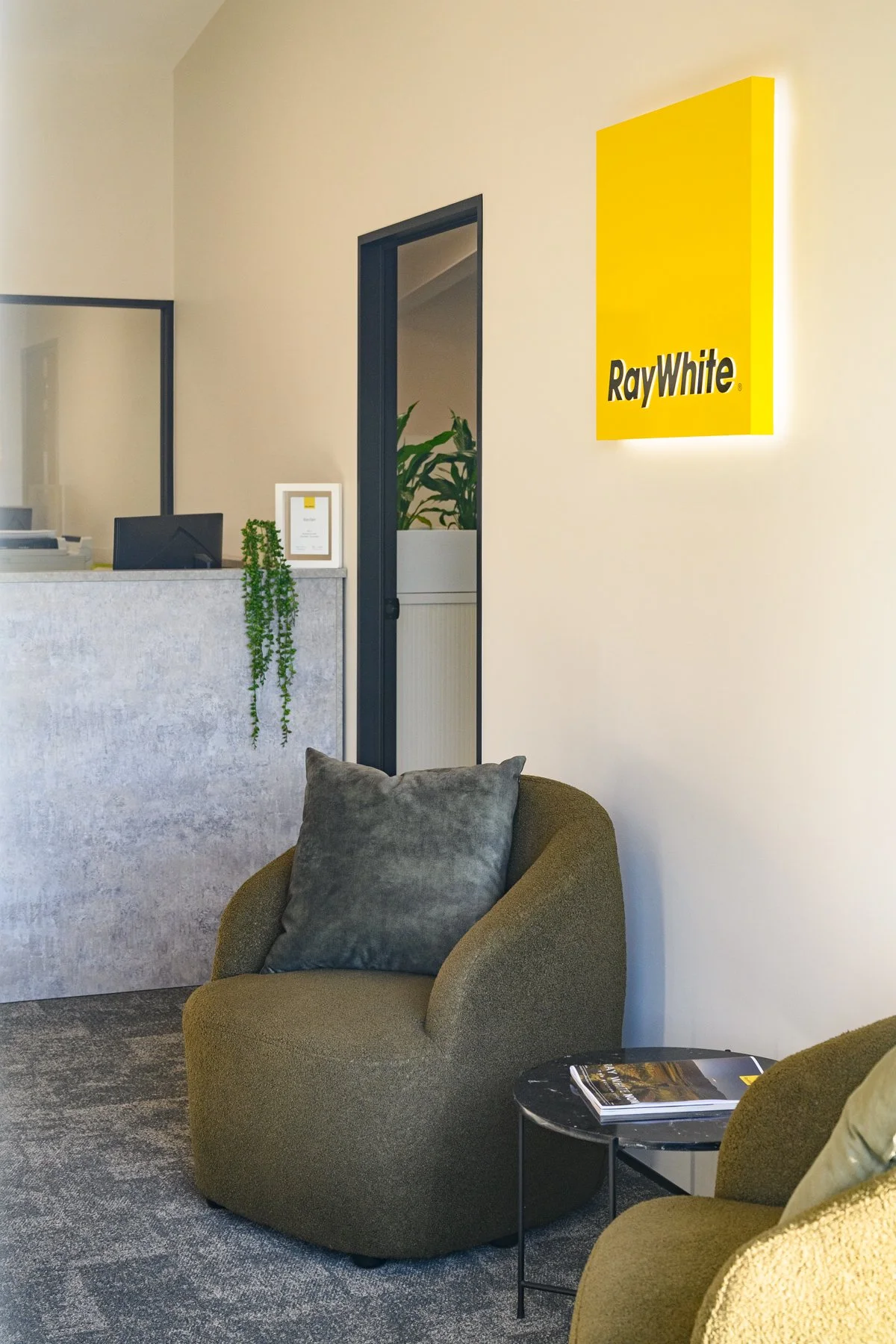
The new Bayfair reception and PM area beyond
We started with evidence, not assumptions
Before any design work started, we ran an executive session with both owners - talking through what they felt the business needed from these two offices, both in the present, and as the team continued to grow.
Then we sent a workplace performance survey to get feedback from all staff across both sites. Why? Because business owners don't see what their teams experience day to day, and nor should they. The people doing the work are the ones who know where the friction actually sits.
What came back was interesting enough that the owners decided to dig further, running separate workshops - one with the Bayfair team, one with the Tauranga team - with the owners present for both.
"Your team are the experts in how the space is working… because they're the ones trying to do the work inside it."
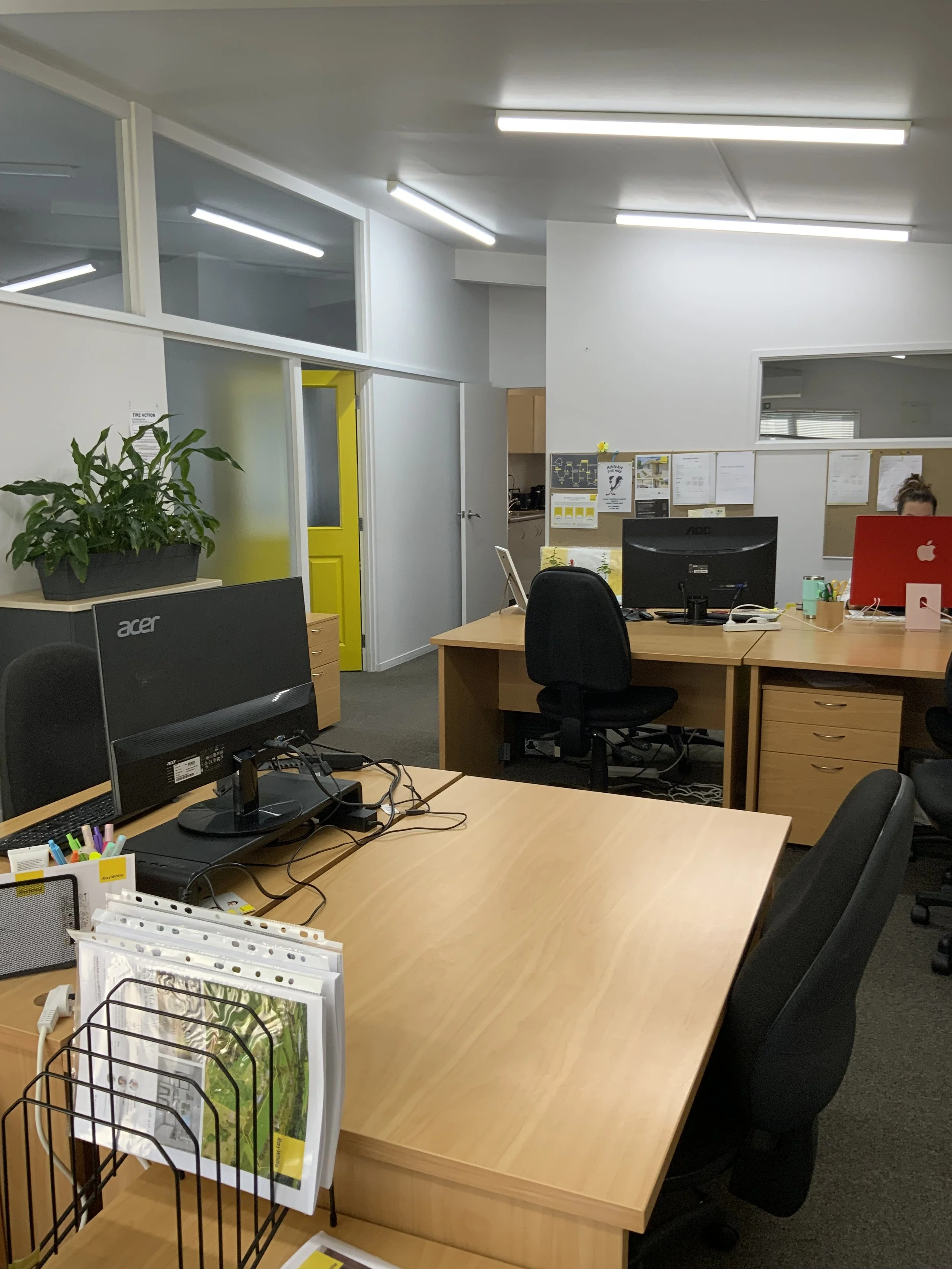
The Bayfair sales team area before…
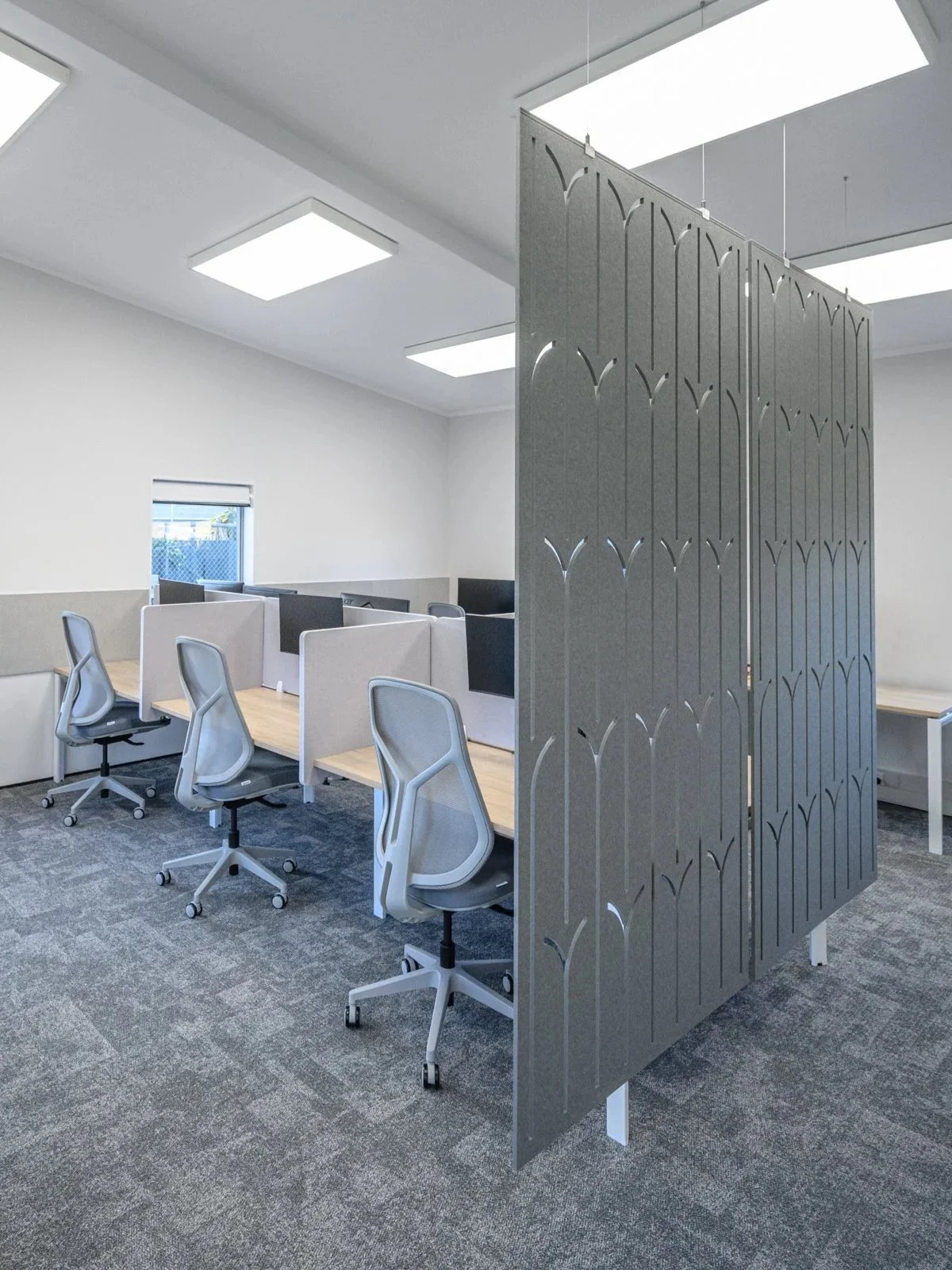
…and after.
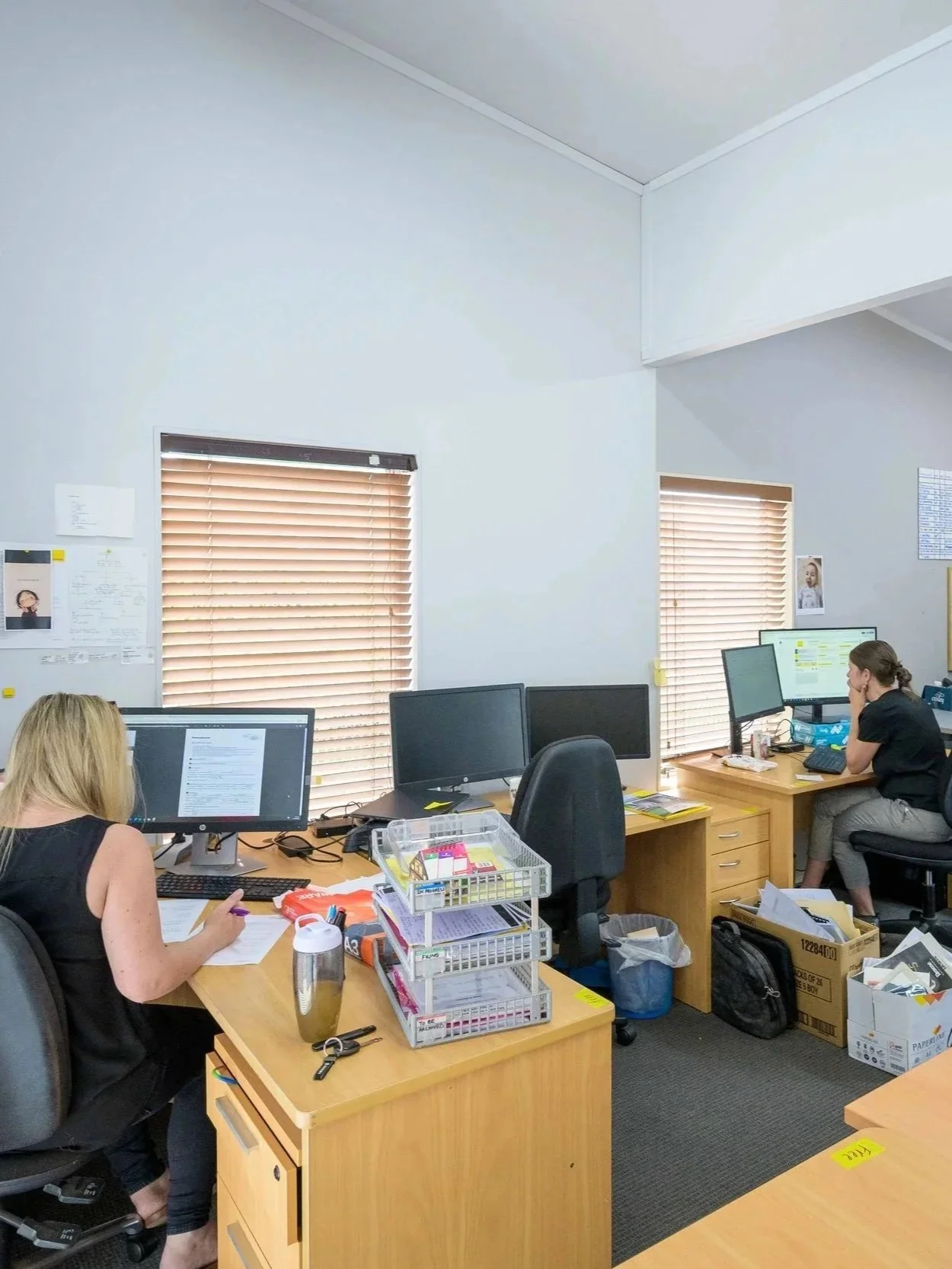
The Bayfair PM team area before…
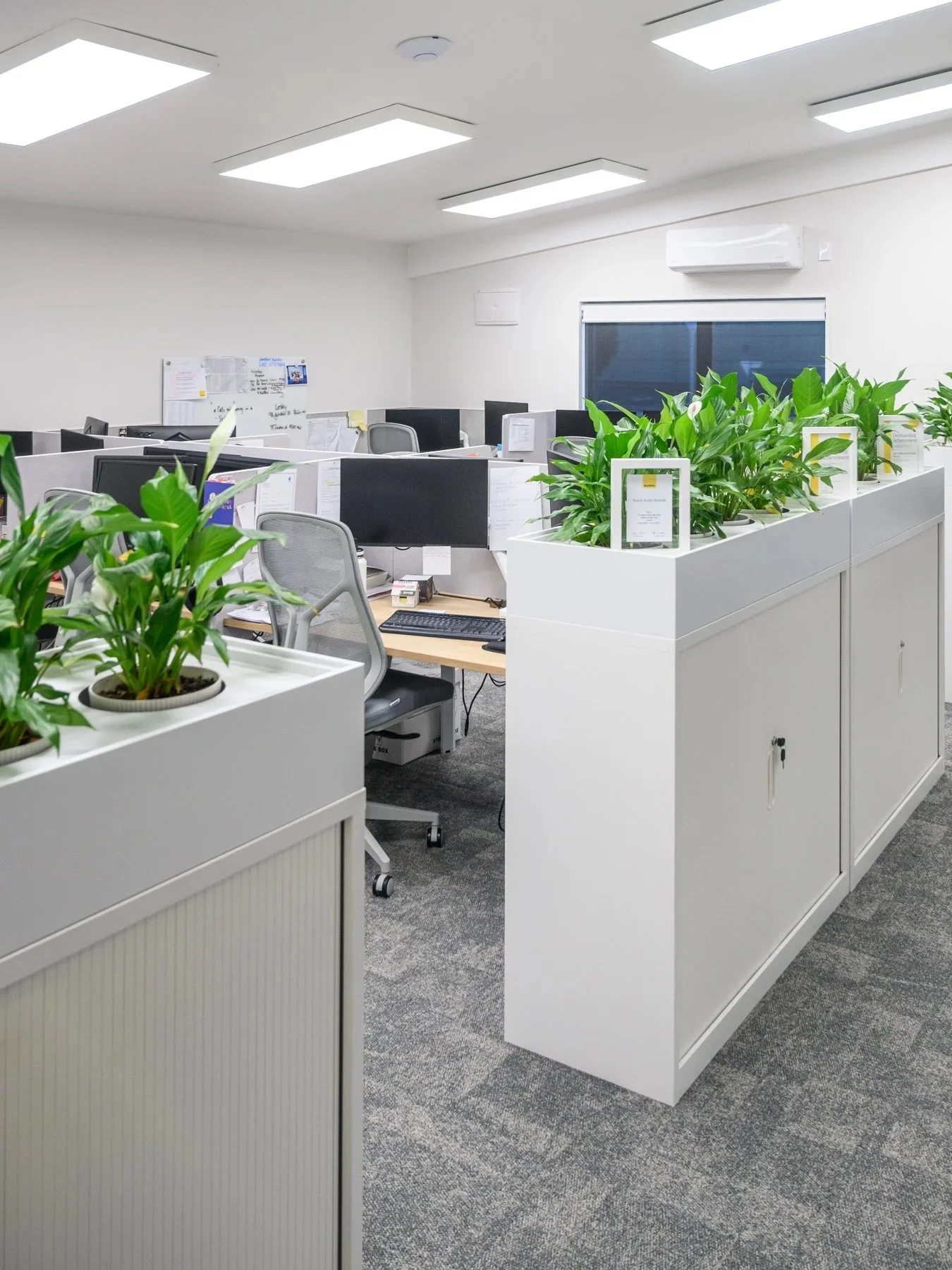
…and after.
What the gap revealed
What the process surfaced was a gap between perception and reality. From Bayfair's side, Tauranga was "the good office." From the owners' side, Tauranga felt strangely empty for a premium tenancy.
The workshop feedback explained both. The Tauranga team found it hard to get focused work done because of constant interruption - and when they came in hoping for some social connection, there was no guarantee anyone else would actually be there. Bayfair, despite being the more dated and constrained of the two, had a stronger day-to-day rhythm: more natural interaction, more predictable presence, more of a pulse.
That reframed the whole brief. This was never about making the nicer office nicer. It was about designing both spaces to support focus, connection, and the kind of presence that makes a team actually want to come in.
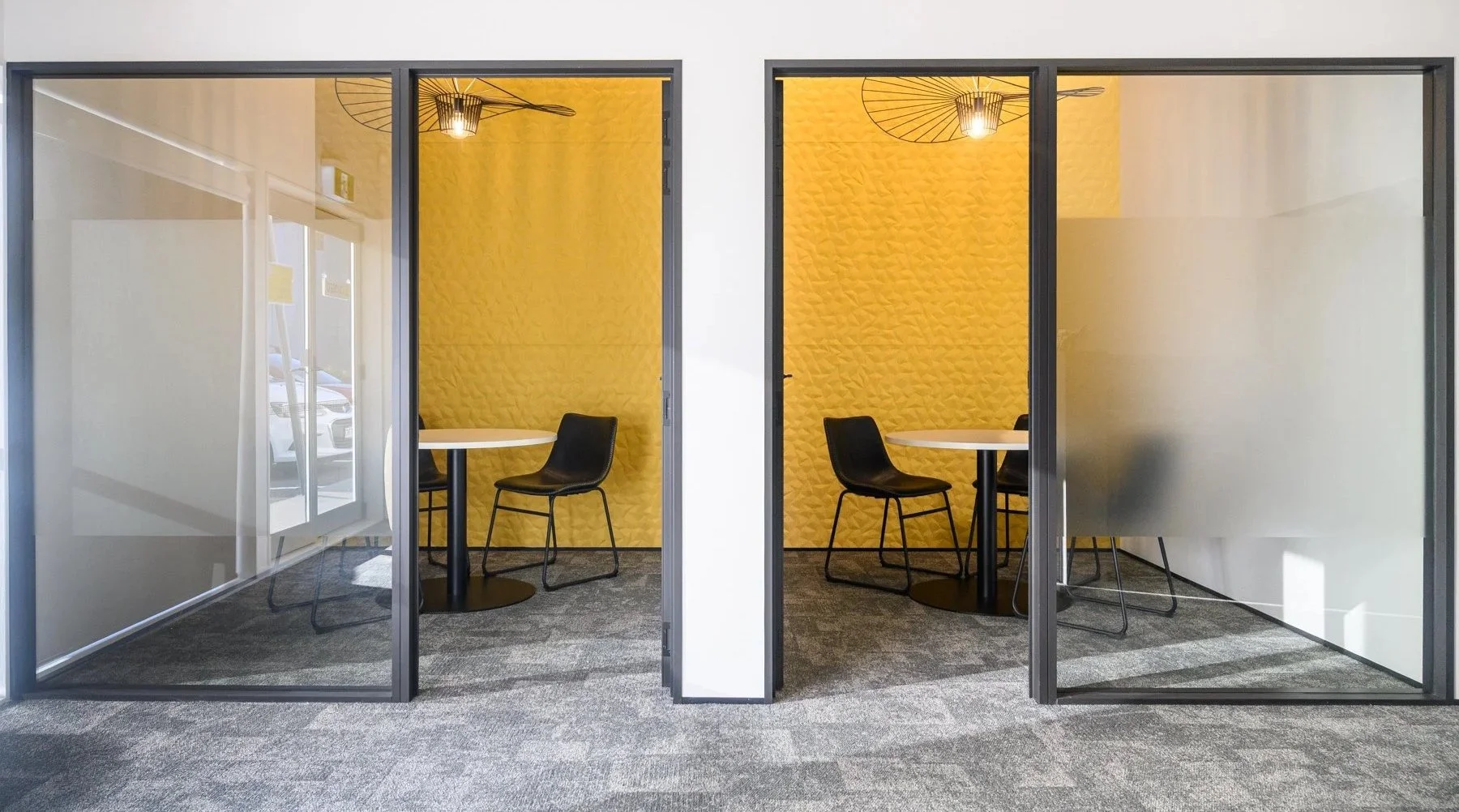
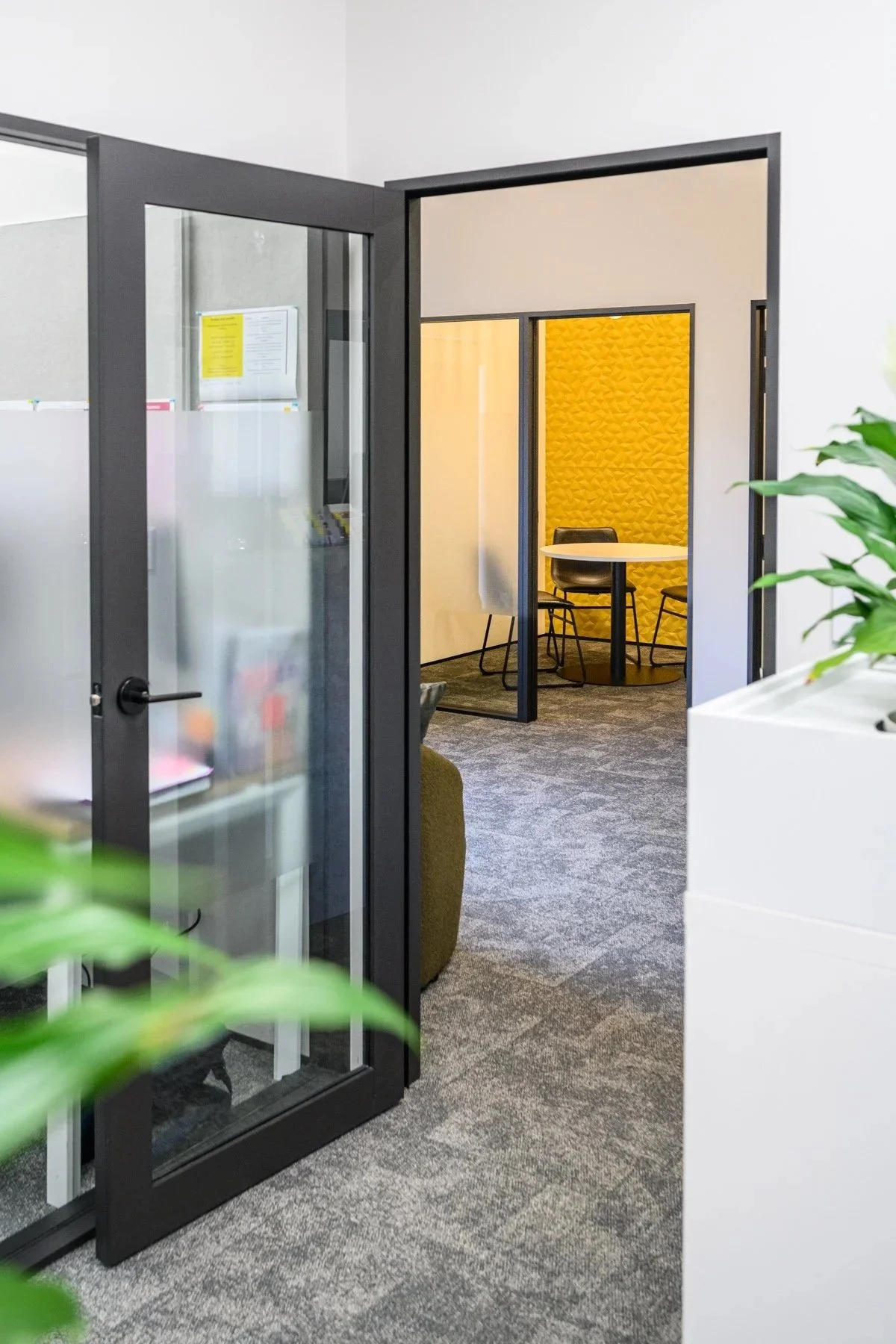
The new Bayfair client facing meeting rooms
Tauranga: a flexible footprint, not an empty room
Relocating the auction room to Tauranga became an opportunity to rethink what a large, occasional-use space could do for the rest of the week. Rather than create a room that sat empty between auctions, the space was set up to flex - ready for training sessions and planning days, but just as easy to reconfigure for everyday meetings or casual use.
Bayfair: a reset, not a refresh
At Bayfair, the brief wasn't about small changes. The whole tenancy was reconfigured - reception relocated to improve the arrival experience and flow, the property management team's layout revised to support a growing team, and a kitchen that had been squeezed into an awkward corner near the toilets, cramped and permanently over capacity, was reconfigured + rebuilt entirely.
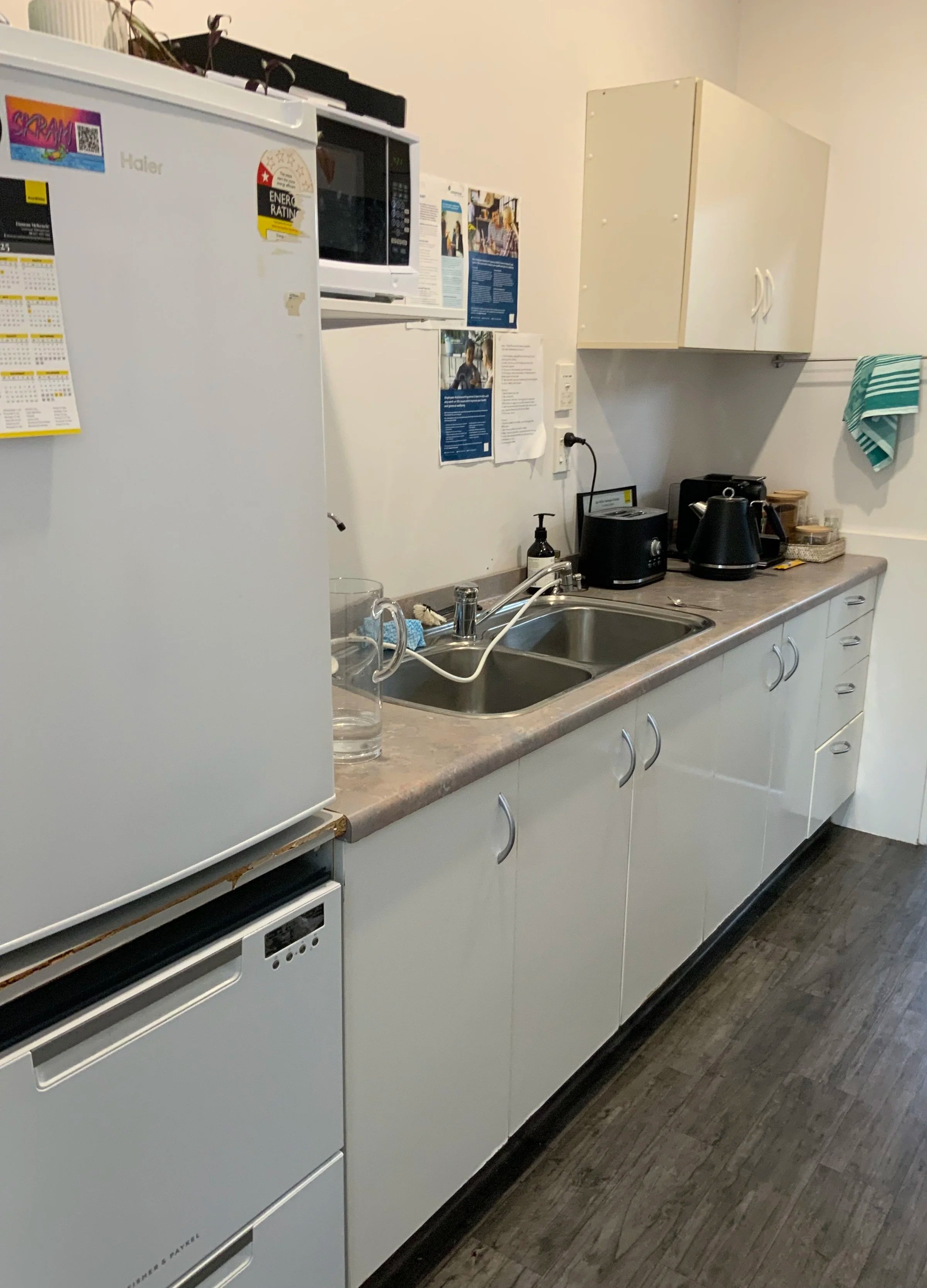
The Bayfair kitchenette before…
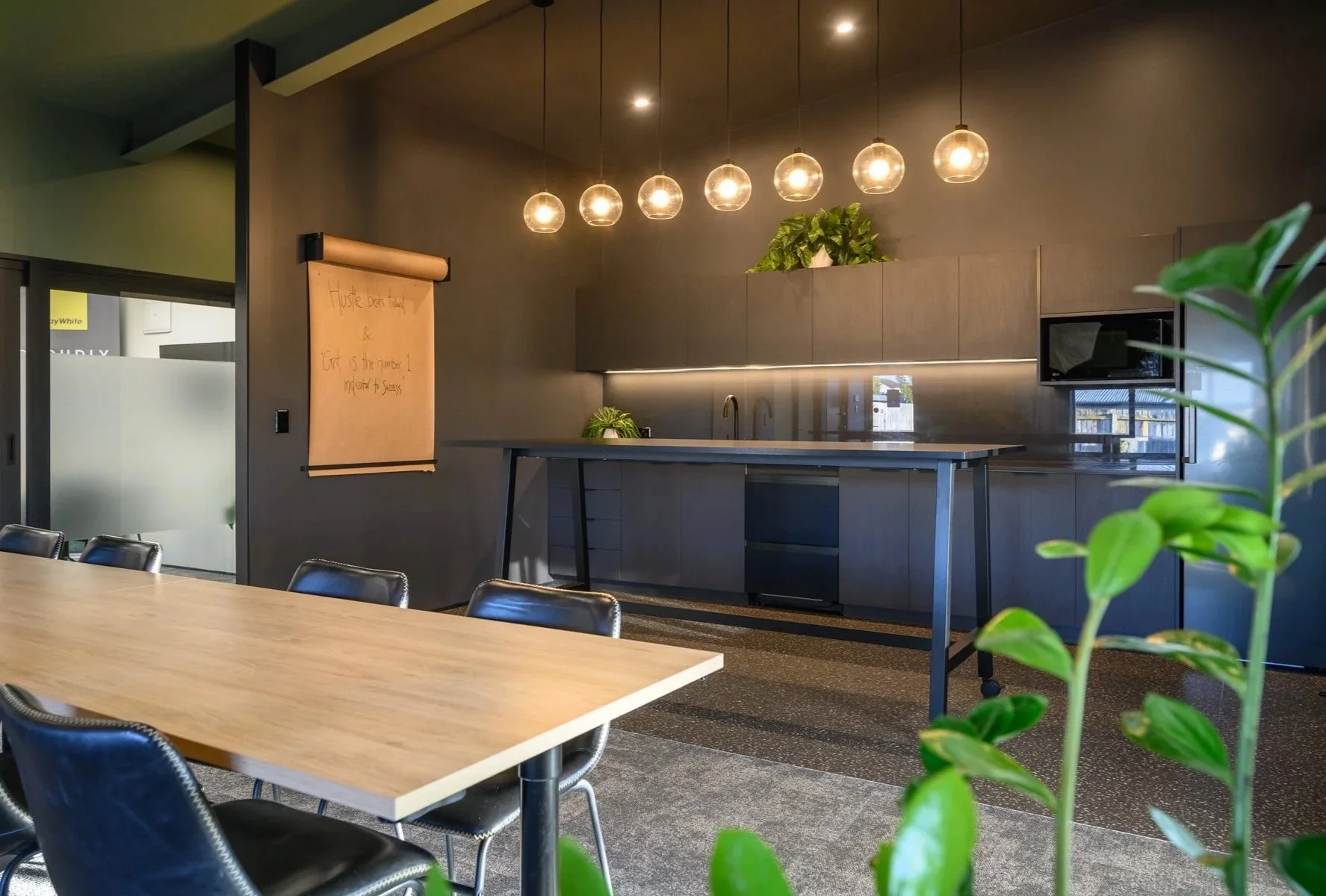
…and staff cafe after.
The heart of the office
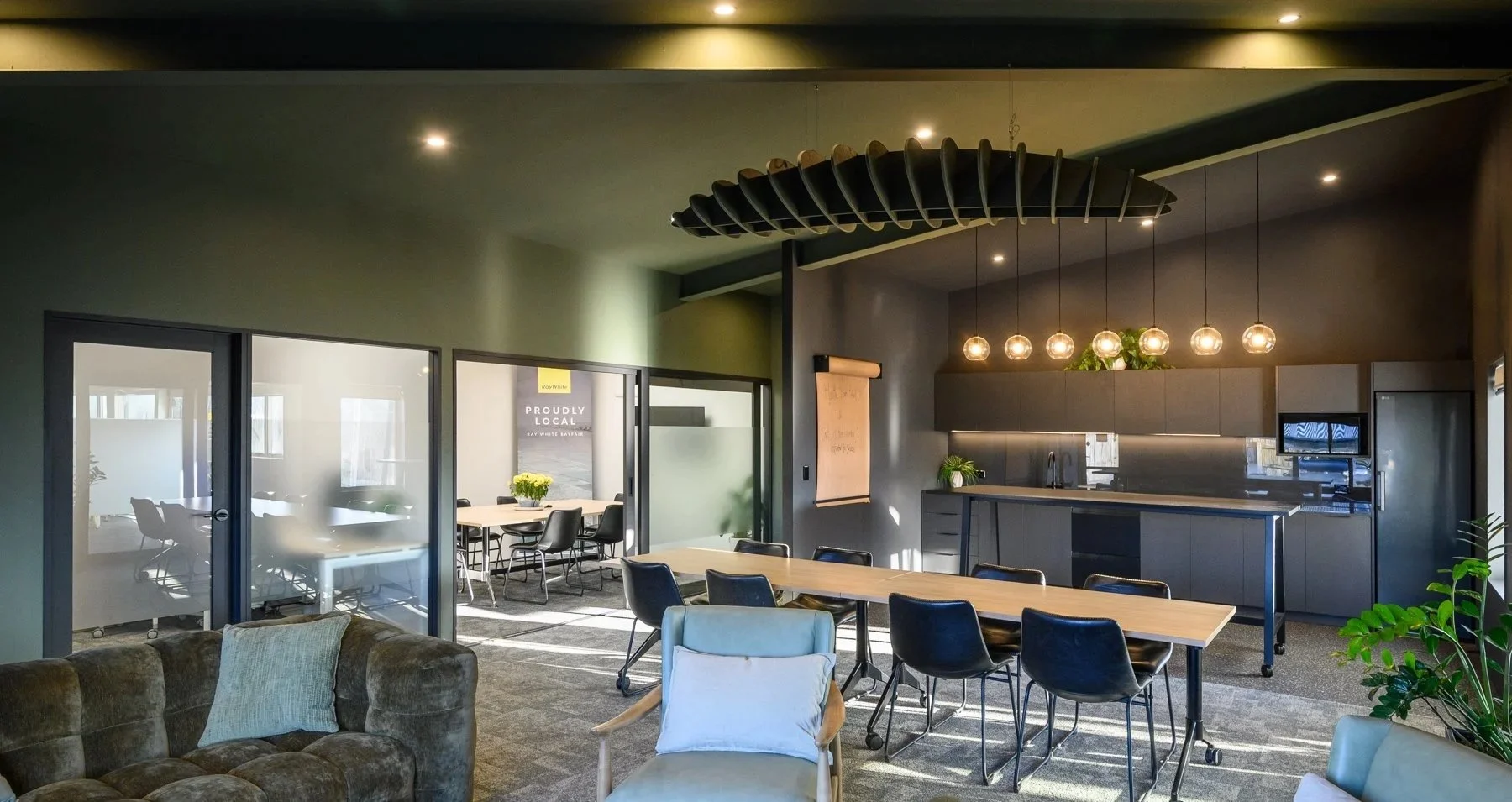
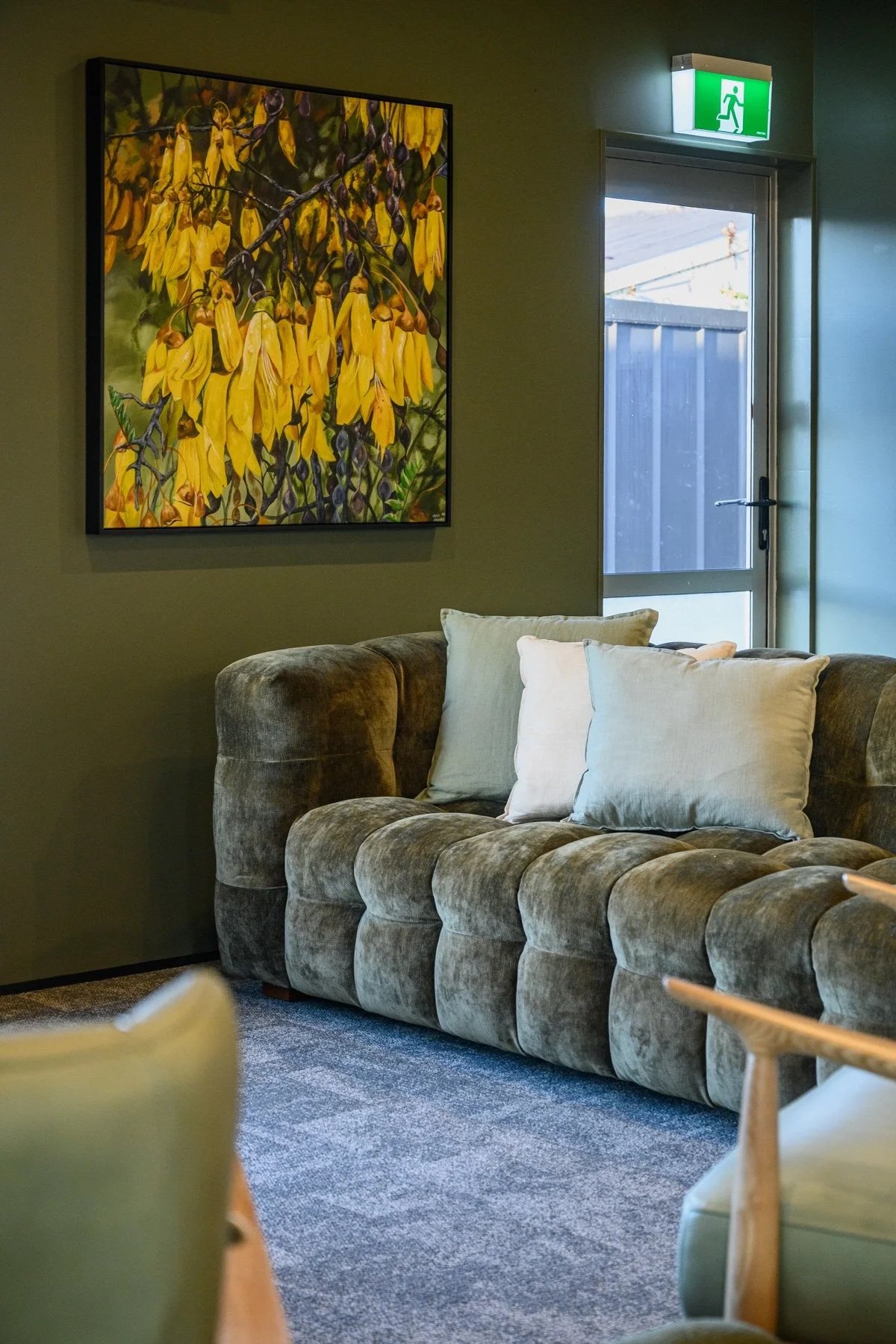
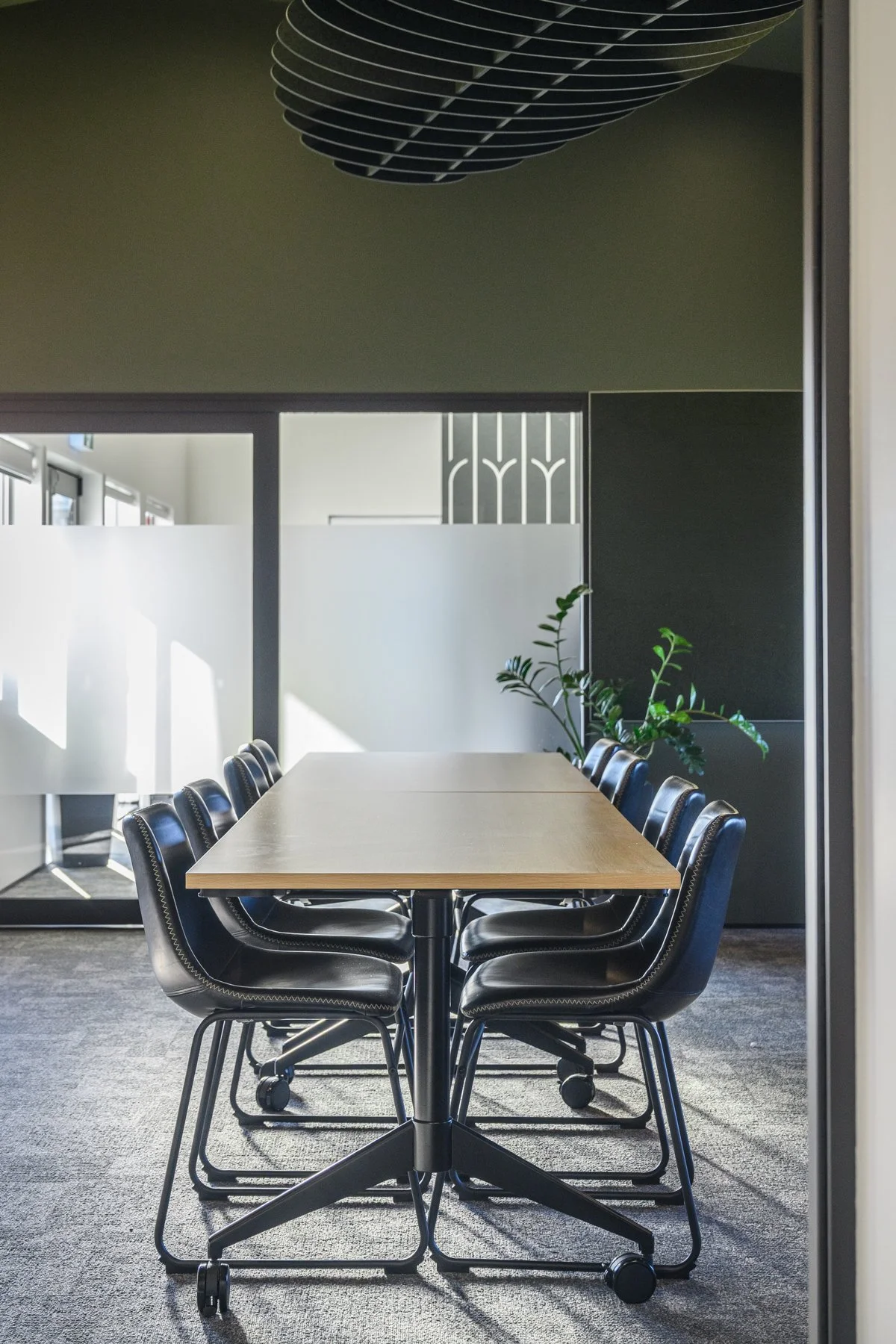
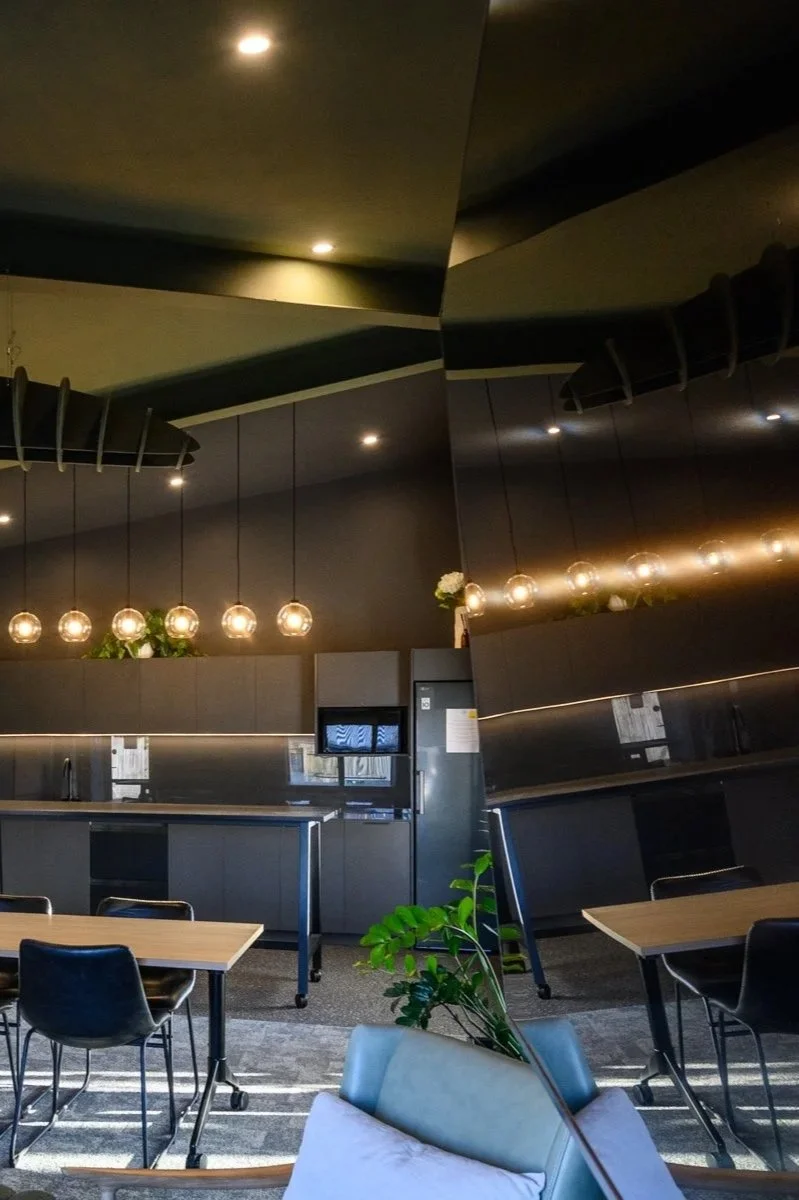
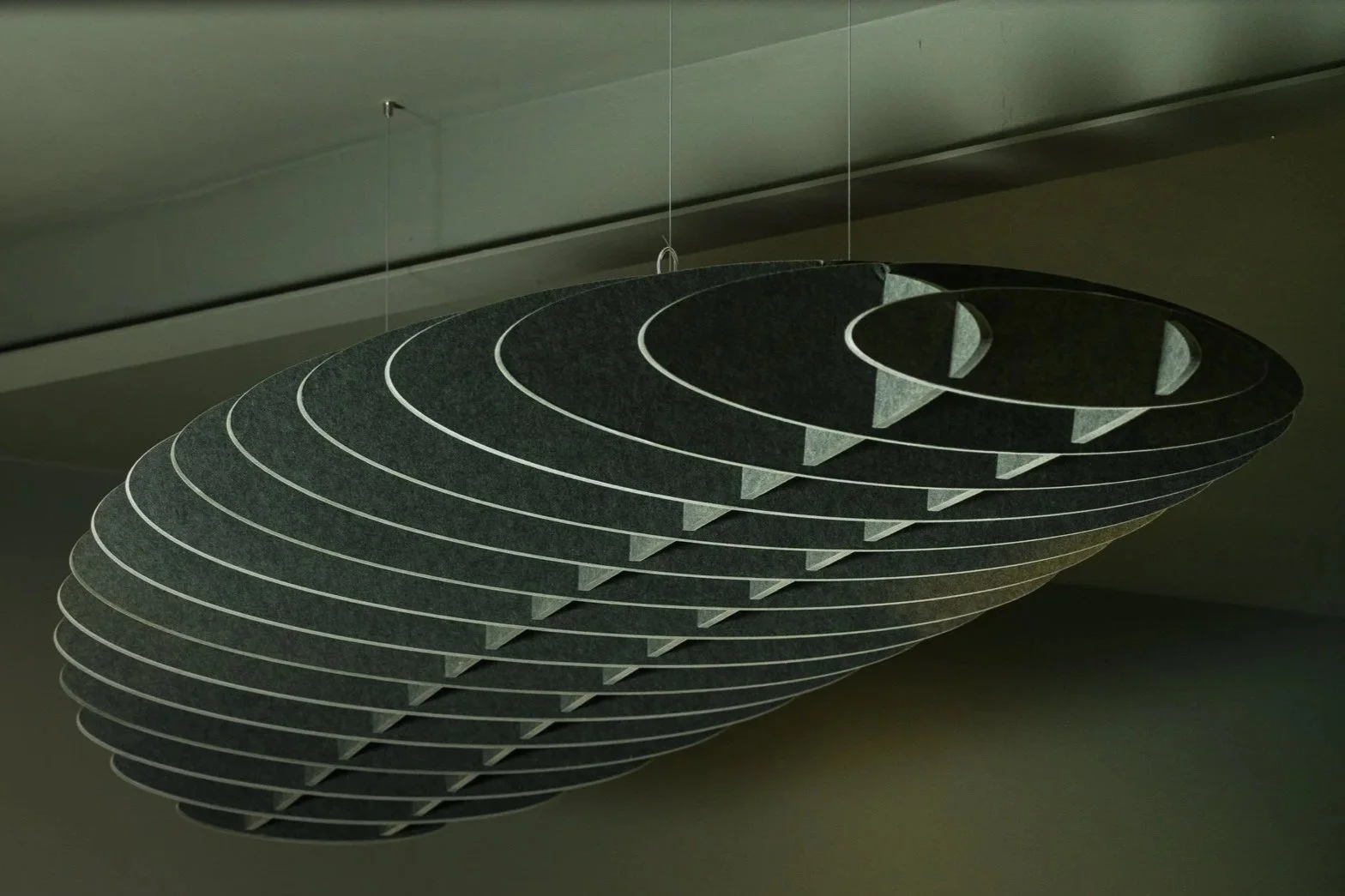
The most significant move at Bayfair was creating a generous central lounge and kitchen - what the team has started calling the heart of the office. Olive green walls, a sculptural acoustic ceiling form, and a kōwhai painting that nods to the brand's yellow without ever feeling branded. A long communal table on castors means the space can flex from casual lunch spot to full team meeting in minutes.
This wasn't designed as a tea room. It was designed to pull people from both ends of the tenancy into the same space, on purpose - the kind of everyday connection that can't be mandated, only made easy.
What stayed with me after the fit-out was finished wasn't the finishes. It was the George + Willy brown paper roller in the new kitchen - handwritten notes from the team, to each other. Hustle beats talent. Grit is the number 1 indicator to success. You are epic. That's not something you can design in. But you can design a space that gives it somewhere to live.
The outcome
A "better" office, in this case, was never really about finishes or location. It was about whether the space supported the people inside it to do their best work - and whether two offices, under one brand, could finally feel like one business instead of two different realities.
By stepping back before making a single change, the owners were able to make coordinated decisions across both sites instead of reactive ones: addressing why Tauranga had been feeling empty, giving Bayfair the reset it had quietly been needing, and creating - for the first time - a shared design language that ties both offices together. The acoustic ceiling form that appears in both spaces isn't a coincidence. It's the same brand, working as one business, in two places.
If your "simple change" is starting to feel like it's triggering three more, that's usually worth paying attention to. A strategy-first briefing process is often the fastest way to get clarity before you spend money in the wrong places.
Or if you'd like to read more about why the briefing process changes everything before design starts, the full story is over on The Workspace Strategist’s Substack.
BUBBLE CO SCOPE:
Strategic briefing process - staff surveys + workshops
Full design + architectural documentation
Tender facilitation
Procurement of full FF&E package
Site Observation
PROJECT TEAM + SUPPLIERS:
Fit-out: TIKA Interiors
Flooring: Interface carpet tiles, Polyflor tiles
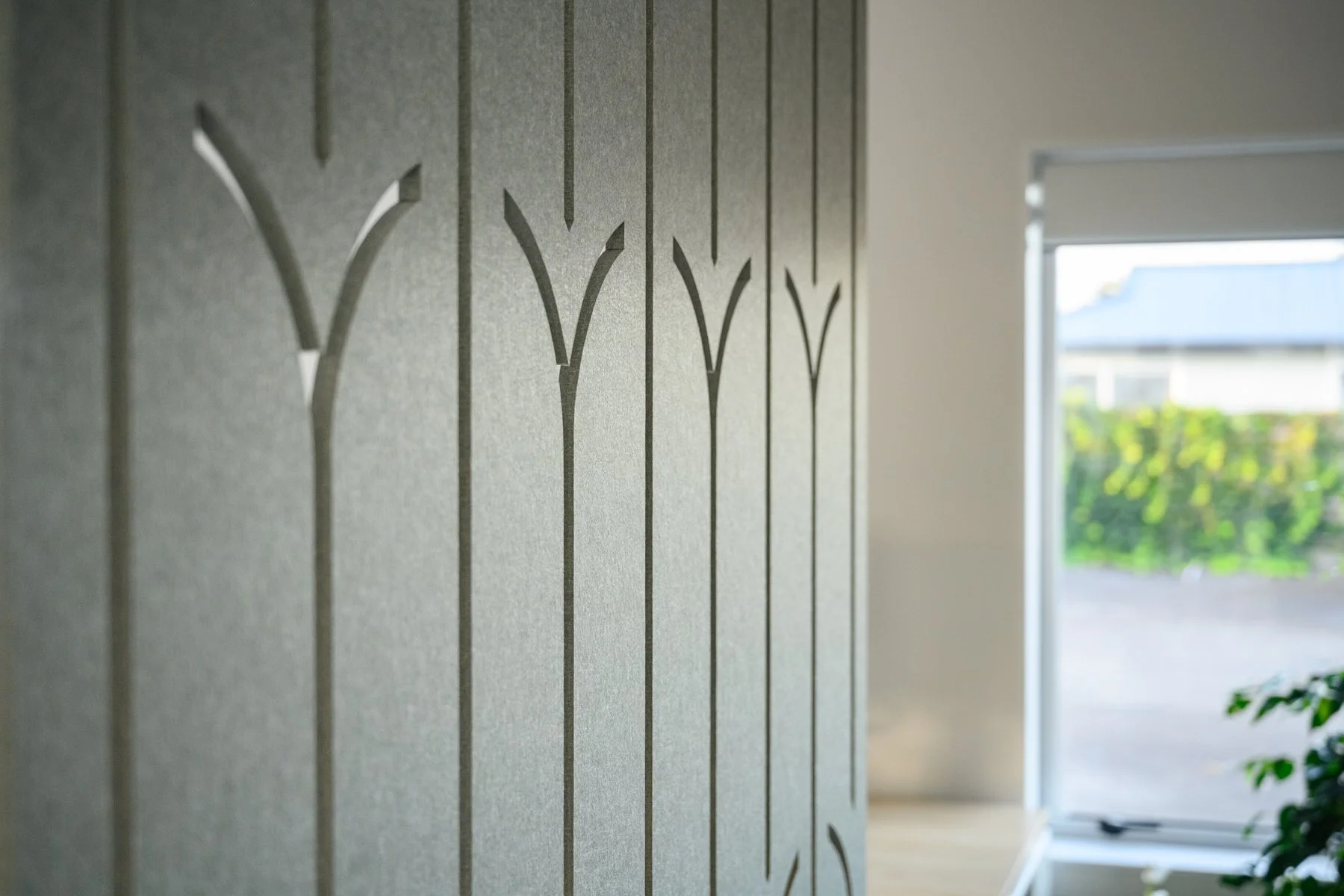
Acoustic Screenin: DBSorb
Feature lighting: Eden Lighting
Furniture: Mobel Group, NOOD.
Photography: Jay Drew
Project Completed December 2025
See more Case Studies:
If you'd like to read more about why the briefing process is the most important part of any office project, I've written about it over on the Workspaces That Work Substack.